Home / Blog / Bringing better dairy standards, KPA plans for a new dairy farm

Bringing better dairy standards, KPA plans for a new dairy farm

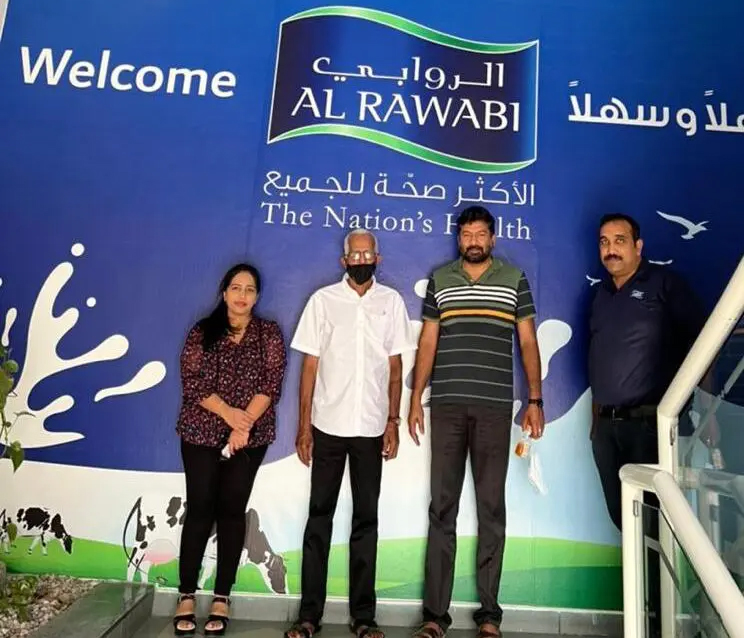
Kerala Pravasi Association (KPA) Chairman Rajendran Vellapalath and National Council President, Aswani Nambarambath recently visited the Al Rawabi dairy farm in Al Khawaneej, Dubai.

The visit was to learn and bring to life their vision one of KPA’s ambitious projects of launching a milk farm, with the expertise of governing bodies under the KPA trust.

The new farm, when realized, will be part of the party’s goal in implementing  the expertise of expatriates across 36 areas, including agriculture, environment protection, health and wellness, industrial development and manufacturing sectors, aimed to uplift and provide a sustainable livelihood to its beneficiaries.

More than 3,000 workers and 15,000 cows that roam freely in a 400-acre farm, each yielding about 39 liters of milk, it is one of the largest dairy farms, serving more than one million customers per day. The farm is also the nation’s largest animal feeds manufacturers with a fully automated fodder manufacturing unit, a reverse osmosis water treatment plant with ozone and UV filtration systems and allied products for on-farm and off-farm needs.

The success of AlRawabi is a testament to their mission to promote a healthy lifestyle despite tough challenges like temperature control, round-the-clock production units, ensuring top-of-the-class standards and more.

One the other hand, here in India, where dairy plays a significant part in numerous aspects of Indian society, including cuisine, religion, culture, and the economy, we fail to see the same level of commitment and initiative to develop our dairy farms.

Over the years India has transformed from a country of acute milk shortage to the world’s leading milk producer, thanks to the phenomenal success of the Government initiative known as Operation Flood (1970–1996) and their focus on dairy development activities. In that initiative, rural milk shed areas were linked to urban markets through the development of a network of village cooperatives for procuring and marketing milk. And milk production and productivity were enhanced by ensuring the availability of veterinary services, artificial insemination (AI), feed and farmer education and the investment paid off.

However, since then that growth has slumped. The slowdown is attributed to the decline in investment in the dairy sector since the end of the Operation Flood initiative.

Today, milk co-operative societies like Milma ( (a milk co-operative founded by Kerala Co-operative Milk Marketing Federation in 1980), buy milk from independent dairy farmers, without proper standards in place. The quality of the milk varies and these societies pay based on the quality – for instance its fat content, which is likely to become a social security issue in the future.

Another question to ask is, how long will people continue to rear cows in Kerala only because of incentives from the Government? Or if the collaborators choose to stop milk production tomorrow, what will be the state of Kerala’s dairy industry – leaving them to rely on neighboring states of Tamil Nadu or Karnataka or the many unorganized dairy farmers?

KPA, under the KPA trust, has narrowed a suitable location and has proposed a dairy farm project. The party is hopeful that if implemented well, it can be turned into a success.

KPA Chairman, Mr Vellapalath’s father, Mr Balakrishnan Vellapalath will bring on board his expertise and experience having worked at state-run milk co-operatives including Milma for many years.
Home / Blog / Why is KPA relevant and necessary in today’s politics?

Why is KPA relevant and necessary in today’s politics?

The Kerala Pravasi Association, founded and led by expatriates, is moving ahead with its membership campaign as they look to grow their active member partnerships. Several ward-based committees have been put in place across all districts in Kerala. The goal of these ad hoc committees will be to establish as strong upper committee through democratic elections, following which they will be made void.

Any Indian citizen of this country over the age of 18 years can become a member of KPA. KPA has adapted a transparent working style that will be led by a strong expatriate community whose main goal will be to address the basic needs and affairs of our fellow citizens and raise their standard of living.

Since its launch, KPA has faced several backlash as our goals and values have threatened other movements .

On one hand, minorities are being discouraged from joining KPA by calling it a Hindu bias and on the other hand, party members have been barefacedly called creators of Muslim appeasers.

Propaganda is active but KPA remains steadfast in their goals to bring the National Democratic Alliance (NDA) to power in Kerala. KPA is committed to push Kerala forward and denounce the previous and existing ruling parties, who have done nothing for this country. Nepotism, corruption and the archiac thinking of the leaders have left Kerala at a standstill.

Expatriates are the backbone of this country and continue to be neglected in every field. To lead this country to self-sufficiency, the diaspora community must stand unitedly with the people of this country. Let vested interests throw stones. The KPA will respond not with words, but with actions that join them together.

To every expatriate out there, KPA asks them to contemplate what is best for them. Do you want to spend more time supporting traditional politics that are unfit to last? Do you want to be part of a new political culture where political workers have not been devalued in this country?

Think and choose for yourself!

Home / Blog / Strong startup ecosystem gives Kerala the title as ‘StartUp hotbed of India’

Strong startup ecosystem gives Kerala the title as ‘StartUp hotbed of India’

India is the world’s third-largest startup ecosystem with over 55,000 startups today and according to Startup India; Kerala is one of the top Indian states for a startup environment, in terms of performance.

The contribution of each state to the overall development of India’s National Startup Ecosystem is key to this growth. Over the years, several targeted policies and schemes have been introduced with a focus on disruptive technology, women entrepreneurs, and grassroots innovators to drive inclusive growth in the ecosystem. Additionally, state-supported incubators, mentorship networks, and funding opportunities have also expanded across the state. 

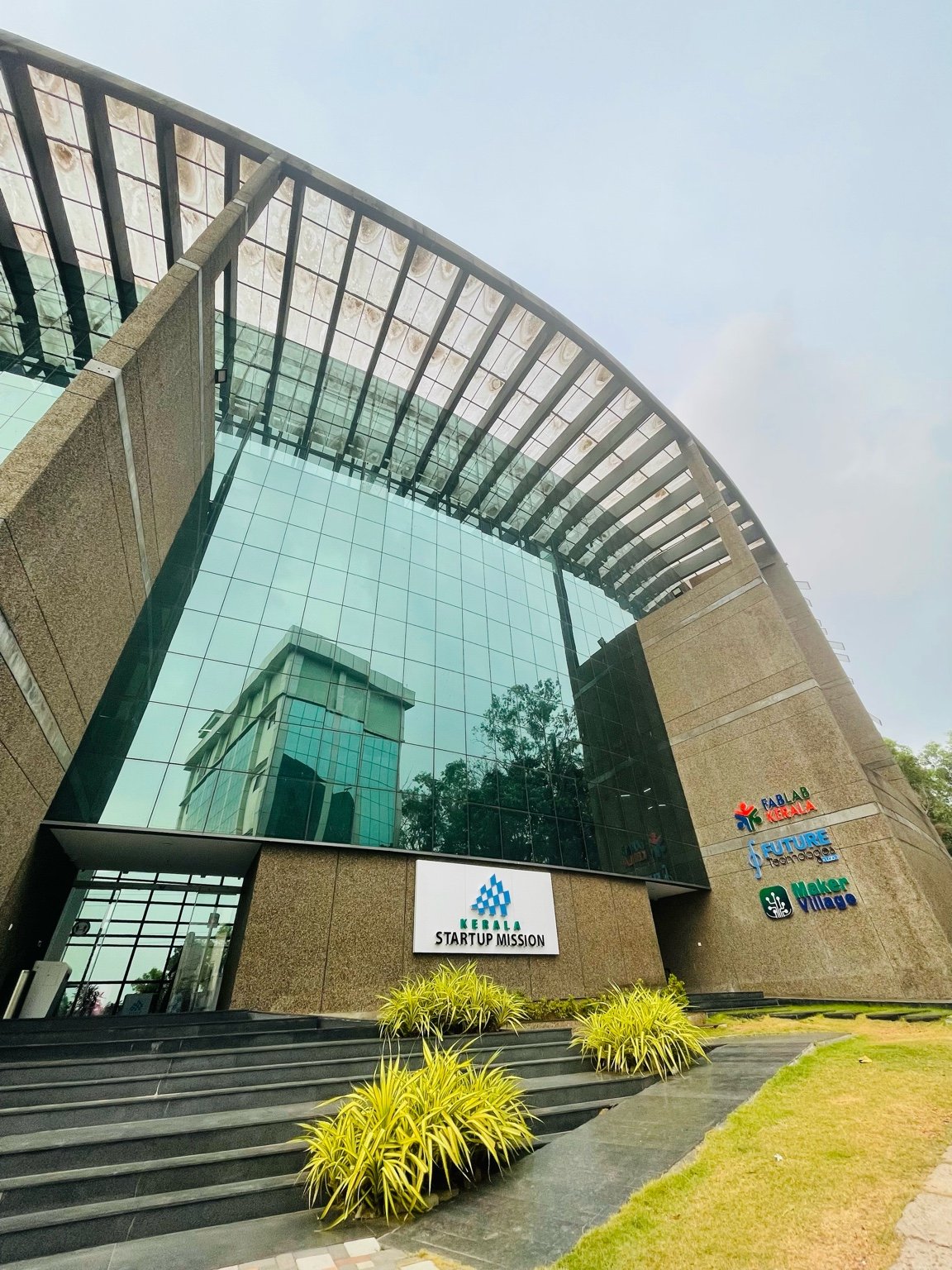
The Kerala Startup Mission is the central agency of the Government of Kerala for entrepreneurship development and incubation activities in Kerala, India. The state has set an ambitious target of having over 15,000 startups and 200,000 jobs in emerging technologies in the next five years, it was recently announced by  Chief Minister Pinarayi Vijayan at the third edition of the ‘Huddle Global 2022’, organized by the Kerala Startup Mission (KSUM).

The state is also home to the first Fintech Accelerator and Finishing School that offers global leaders from the startup ecosystem a platform to strengthen networking and forge partnerships.

So, what makes Kerala a unique startup destination?

Kerala has built for itself a unique model that nurtures startups from ideation to scale-up stage. The state is also scaling new heights in technology by becoming a stable model ecosystem for startups.

At Kerala Pravasi Association, we believe that the Malayali expatriate population, with their international exposure to a professional ecosystem, working and with people from various nationalities and cultures, must bring their innovative ideas onboard and introduce a fresh and open mindset, which can be leveraged to take any startup idea to the next level. 

Pravasi’s can also lend their expertise into the state’s mentorship networks and create more funding opportunities for new entrepreneurs. 

With access, experience and know-how on various technologies and the ability to work in a multi-cultural work environment, they bring on board new and exciting implementations, at a more personalized level but at international standards.

The Kerala government offer an excellent range of initiatives such as IEDC (Innovation and Entrepreneurship Development Centers, for colleges), YIP (Young Innovators Programme), programs for incubation and acceleration, corporate innovation, besides the Center of Excellences, infrastructure facilities, government as a marketplace scheme, innovation grants, Fund-of-Fund and International Exposure programs and so much more, making it an ideal place to launch and grow new enterprises.

Besides Kochi, Kerala plans to extend launch a new emerging technology startup hub in Thiruvananthapuram too offering all the facilities now available in Kochi.

Startups are the future of the country and Kerala has shown its commitment in providing the right ecosystem to our future entrepreneurs. According to KSUM, startups in the state have raised over Rs 3,200 crore as equity investments since 2015.

For those looking to take the plunge into entrepreneurship, success is easier to find when there is more clarity in your vision. It is as important to study the market, understand competitors or similar products and find the gaps to make the most of these startup programs and funds. 

Choosing the right investor is key to growth too. An investor who not only believes in your idea but someone who is willing to help you stretch your ideas to the next level. Investment comes not just in the form of money but sharing their experiences and timely advice to take the idea to the next level is priceless.

Trust yourself and remember that it is OK to pivot at the right time if the outcome is not as per your idea.

Home / Blog / Leaders of tomorrow: Women and political participation

Leaders of tomorrow: Women and political participation

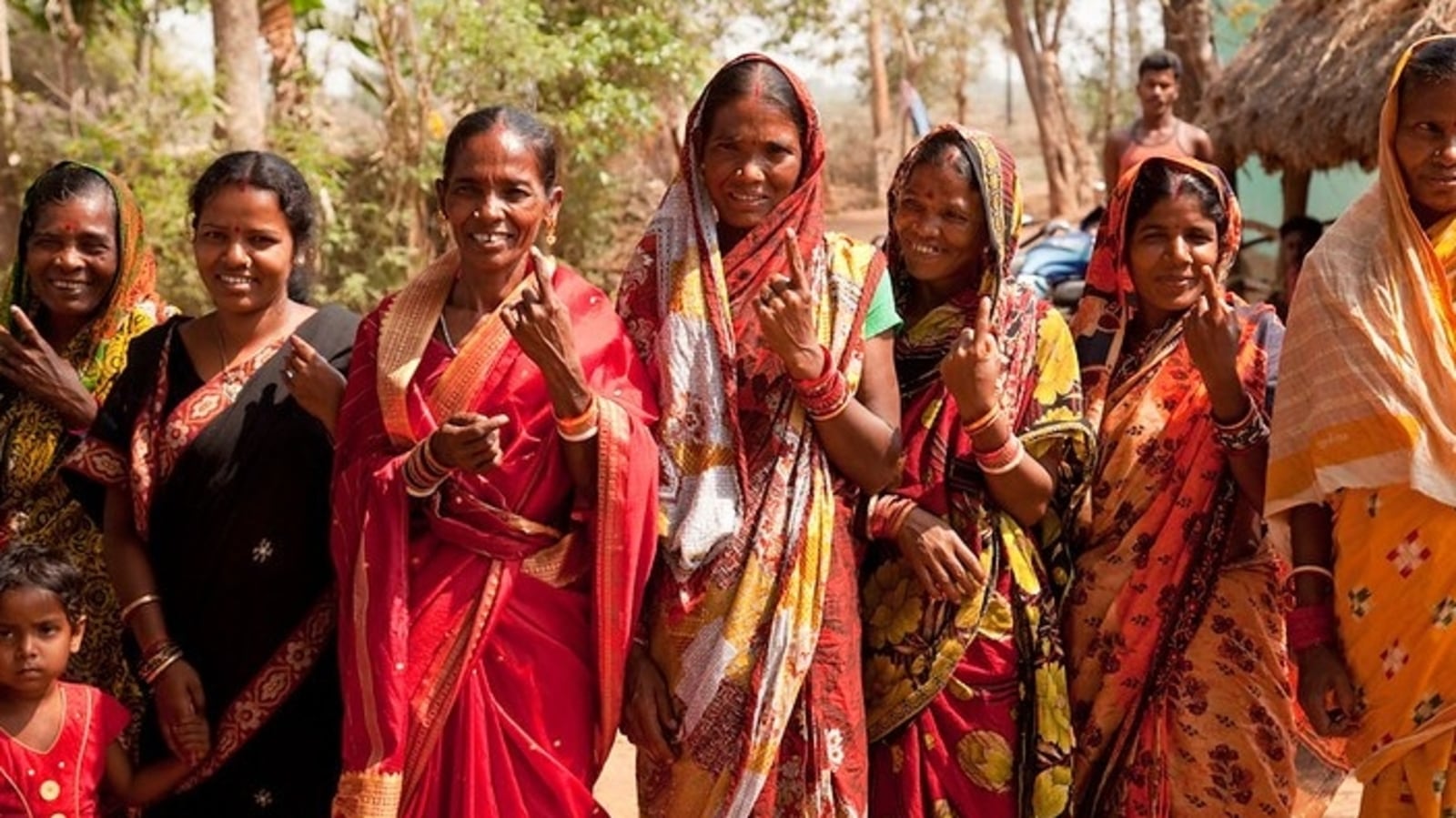
Despite a widespread public acceptance of female politicians in India, the gender disparity in Indian politics continue to show that women’s political participation in the subcontinent remains low.

Whether at the highest echelons of power and at the grassroots level in social movements, women have proven their mettle nationally and regionally, yet women’s political participation and overall motivation remains low. This is despite the Indian Constitution’s provision of equal opportunity. Their lack of presence has a substantial impact on women’s empowerment and as a result with the issue of gender disparity in the country.

According to a 2020 report by the Association of Democratic Reforms (ADR) and National Election Watch (NEW), less than a tenth of the over 50,000 candidates contesting federal and state elections are women.

The gender disparity in Indian politics could be the result of various factors. To being with the general notion that politics is not suited for females as it is a “male profession”. The notion that women are less suited for aggressive or loud position and those that require travel, often an infrastructural barrier, have traditionally been a deterring factor.

Lack of better education, especially political education among women have also deferred them from greater political participation as they are oblivious of their basic and political rights, reiterating the fact that education does play an important role.  So, despite the fact that women make up about half of our population, they are underrepresented in our political system.

A bill to reserve a third of all seats in the national and state legislatures for women has been stalled in the Indian parliament for almost three decades. A bill to reserve a third of all seats in the national and state legislatures for women has been stalled in the Indian parliament for almost three decades.

Until that happens, parties must take the initiative to increase women’s parliamentary presence and serve as an inspiration to others.

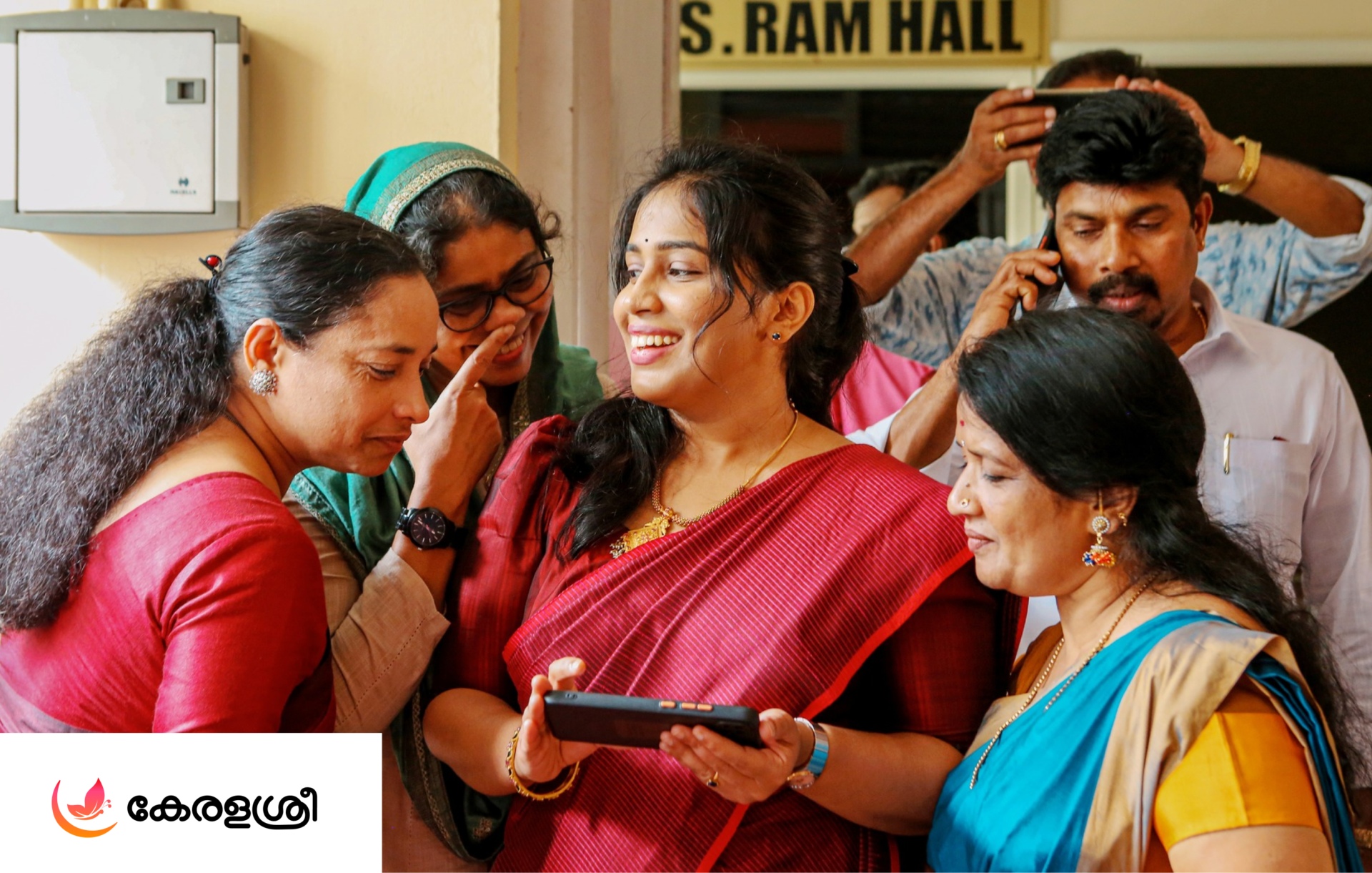
At Kerala Pravasi Association (KPA), we recognize the value of having more women comrades and constantly encourage their active participation. Together, we believe they will rightfully lead the party’s Kerala Sree project, aimed towards the empowerment of women.

Afterall, providing women with strong, leadership opportunities and making them a part of the decision making process can go a long way in achieving women’s empowerment.

Home / Blog / Inspiring women: In conversation with Aswani Nambarambath

Inspiring women: In conversation with Aswani Nambarambath

Aswani Nambarambath, Founding President National Council for Kerala Pravasi Association speaks about the Kerala Sree project and her vision for women’s empowerment .

When a group of us decided to work towards bringing change for the diaspora community and empower and utilize their  skills and growth of our country, we knew it would change the lives of women across the state of Kerala incredulously.

When we founded the Kerala Pravasi Association (KPA) in 2019 and in my role as President, the main goal was to work for the welfare and resettlement of expatriates from Kerala. Since then we have created a strong and active online community presence, of over 2.8 lakh followers, where contemporary issues are proactively discussed. Our colleagues who have relentlessly been part of this journey deserve a lot of appreciation too.

The registration of Kerala Pravasi Association (KPA) and the subsequent acceptance and support by the Election Commission and the larger diaspora community has firmly made KPA, an independent national political party.

Today, as one of the founders of the independent, national political movement called Kerala Pravasi Association and in my role, leading this movement from the helm in the capacity of National Council President, there is one thing that gives me the greatest joy – the presence and active participation of women in KPA.

The launch of our ‘Kerala Sree’ project was formulated for the empowerment of women. We plan to implement several schemes under Kerala Sree to make women more self-sufficient.

Since the party was established, we have grown in size and strength and today we are a group of enthusiastic women committed to working towards the welfare and betterment of the women across the country. There is great pride to see this number grow day by day and to see them raise their voice and come into the public arena and into leadership positions.

In our mission to provide more ‘Opportunities for women in leadership roles’ we have seen much progress. After all these are times when women entrepreneurs are continuously proving that no field of enterprise is alien or inaccessible to them.

We see more women in technology jobs today, than ten years ago. But just as important is the awareness and knowledge of the diverse professions and facilities available to them. There are many women who have not been able to bring to life their business dream.

Our objective at Kerala Sree is to create and provide them that self-employment opportunity in any business venture they wish to pursue. By being a part of KPA, they receive the encouragement, expert advice, support as well as financial assistance and investment to launch and realize their entrepreneur dreams.  Today as we go forward, we strengthen our pledge to grow in this journey and continue to work towards bringing equal opportunities to women.

To women everywhere, be confident in your abilities, and when the time comes, put those abilities to the test. Go ahead without doubting your own abilities, dismiss the obstacles and setbacks and walk towards success.

#AswaniNambarambath #womenempowerment #womenentrepreneurs

Home / Blog / SC seeks Center, EC’s response for NRI voting rights

SC seeks Center, EC’s response for NRI voting rights

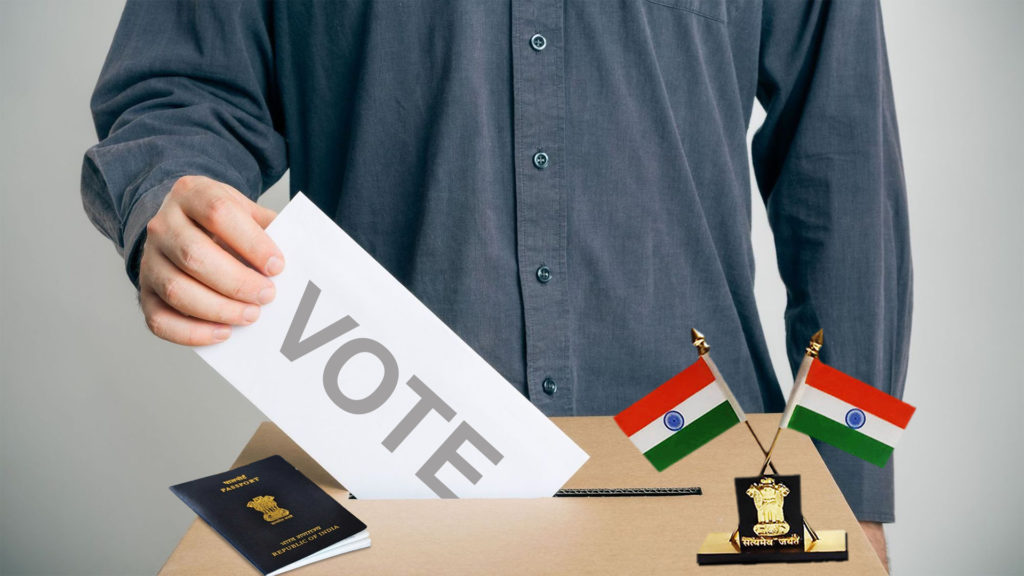
The Centre and the Election Commission were asked by the Supreme Court to share their response on a PIL seeking voting rights for non-resident Indians (NRIs) in polls, against a writ petition filed by Kerala Pravasi Association (KPA) Chairman Rajendran Vellapalath and President Aswani Nambarambath.

A bench comprising Chief Justice NV Ramana, Justices JK Maheshwari and Hima Kohli heard the PIL filed by the Kerala Pravasi Association, seeking voting rights for non-residents Indians. The Section 20A of the Representation of the People Act, 1950 provides special provisions for Indian citizens residing outside India to exercise their right to vote.

The Right to vote ensures participatory and responsible democratic government that empowers the citizens to influence governmental decision-making, policy and safeguards their other human rights. However, due to an absence of corresponding provisions, this has not been enforced.

As a result, a discrimination is created between foreign voters who are able/ incapable to be physically present in the respective constituency at the time of election, and those who are unable to physically attend the constituency, leaving them deprived of the opportunity to vote. This is a violation of the constituency for a citizen’s right, under Article 14, 19 and 21 of the Constitution of India.

Although the Central Government and the Election Commission seem to have taken several steps to implement the provision, such as setting up Parliamentary Standing Committees and introducing bills before the Lok Sabha/Rajya Sabha, no concrete decision on this has been implemented till date.

This strengthens the relevance of the reports submitted by KPA to ensure the inclusion of overseas electors. Some interpretations of Section 20A of 1950, which create unreasonable restrictions on the exercise of his right by a non-resident elector on account of his physical inability to be present at the constituency are infact in contravention of Articles 14, 19 and 21 of the Constitution.

Today’s decision by the Supreme Court to issue a notice on the writ petition is a milestone step in the implementation the rights guaranteed to citizens.

#KeralaPravasiAssociation #KPA #PravasiVote #RajendranVellapalath #AswaniNambarambath

Home / Blog / Recognizing Women’s Rights is a catalyst for change : KPA

Recognizing Women’s Rights is a catalyst for change : KPA

India’s first Lok Sabha had 23 women. But even after 60 years of Independence, there are only 59 women in the Lok Sabha. It would be a shame to say that it delivered as much as it did with all the reservations. India ranks 20th from the bottom in terms of representation of women in Parliament. This despite holding posts of president and prime minister as well as chief ministers of various states.

The problem goes beyond India. Even today, only 17 per cent of representatives in the US government are women.

India has an almost 50 per cent female population today. So, Why aren’t more women raising their voice on political opinions? Are women not environmentally conscious? Is there a lack of economic, social, historical and scientific awareness? Or do women simply dislike political matters and topics?

Good democracy can be implemented by conscious people and any women’s issue is a political issue. It should be solved politically. Unfortunately, due to tens of thousands of years of slavery and gender discrimination, women’s voices, experiences, and contributions are overlooked or undervalued, discouraging them from taking a political stand.

The Kerala Pravasi Association is working for to bring this change through their ‘Kerala Sree’ program that will tap into the potential of Indian women and bring more opportunity for economic growth and development. The program plans to implement necessary schemes to make women self-sufficient.

Home / Blog / Pioneering the way for Innovation, Travel and Women in Technology

Pioneering the way for Innovation, Travel and Women in Technology

A vibrant diversity in any business is the key to ensuring a creatively productive workspace. As women continue to invent and reinvent themselves in the digital world, ArabiaTravelNews.com spoke to Aswani Nambarambath, COO of TPConnects Technologies, a new generation travel technology company that provides an innovative cloud based travel booking and distribution platform for airlines and travel agencies, to assess how the travel industry stacks up when it comes to gender equality and needs to be done to promote women leadership.

Nambarambath has been at the forefront of travel technology for over 11 years having started own Technology Development company at the age of 21, which she scaled with satisfied customers from across the world. The company was listed and recognized as one of the top 100 startups from Kerala in South India and listed under the ‘Startup India, Standup India’ Program. It was also incubated and run under the Kerala Startup Mission, the central agency of the Government of Kerala for entrepreneurship development and incubation activities, with the support of the Kerala IT mission.

At a time when technology entrepreneurs were relatively unheard of, Nambarambath became one of the first women entrepreneurs to take the leap and embark on her journey, paving the way for many to follow.

She believes that it is her passion for technology, innovative ideas, resilience, constant learning and working with like-minded people that drives her.

“Travel technology has enabled us with tools that can bring innovative ideas to life and transform the way we travel.  At TP Connects, our vision is to bring forward new technologies and innovations that can empower travel agents and airlines to be better sellers. However, what we are doing is ultimately for the end customer and enabling their desire to travel.”

According to Nambarambath, women have a huge role to play in the transformation of travel technology, evident from the growing number of women holding key senior positions in travel tech today.

Nambarambath says, “Women bring so much more than diversity to the workplace. Besides generally providing an expanded talent pool, they bring an environment of fairness and equality, diversity of thought and decision-making, a competitive advantage which ensures profitability in the long run.

However many workplace realities show a different picture. A recent Global IT report titled ‘Cracking the Gender Code’ revealed that the proportion of women to men in tech roles has declined over the past 35 years, and half of young women who choose tech, drop out by the age of 35. The same study revealed that only 21 per cent of women said they believed the technology industry would give them thriving career opportunities.

“This is disparity at its peak. To keep up with the pace, it is essential to constantly reinvent ourselves to be able to reinvent technology and eventually have our clients do so too. This can be achieved by updating oneself with the required skills that will empower women to apply for senior management roles.”

“While embracing technology and choosing a technology-driven path is often due to early influences, be it in school or at home, it is never too late to aspire and up-skill oneself.  In a technology driven environment, women making it beyond the middle management roles, inspire the younger women who are at the beginnings of their careers.”

“This allows for a systemic change.” she adds.

At the recently concluded World Travel and Tourism Council (WTTC) Summit, which took place in Cancun, travel leaders from around the world pledged the need for women’s equality and boost female representation in leadership roles throughout Travel & Tourism. This can only be achieved by removing barriers, ensuring fair treatment, and encouraging greater financial, professional, and social independence to women employees.

“This is a significant step and huge boost for women in the travel and hospitality sector. Digital technology is constantly changing and so the type of skills required by employees are also evolving. Creating better mentor-ship, training programs can help boost technical abilities and create better morale among young women in the business.”

“It is also the need of the hour, especially coming out of a pandemic which has only widened the pay and opportunity gap in leadership roles for women in the industry,” she added.

Speaking about the growth of travel technology she said digital enhancements have made traveling today more affordable, accessible and convenient than ever before.

“Digitization has permeated through every category and aspect of travel, it is only natural that it must be given the highest priority and its workforce the highest regard.”

“When travel bookings shifted from the brick and mortar travel agency to online bookings – at a time when the internet was still picking popularity, we witnessed phenomenal growth and acceptance.

”Today, the technologies that we develop at TPConnects like NDCMarketplace, means going the extra mile to make the travel booking experience easy, professional and profitable for the airlines and travel agents, while creating something unique for the customer.”

As travel finds its new normal, embracing these new technologies will reduce the IT complexity, boost innovation and increase efficiency. This will also allow people to travel better and travel more.”